

Christian-Centered Trauma Therapy in Waukesha, WI
When you get stuck in patterns you can’t quite explain but you know aren’t working
This can’t be the abundant life Jesus came to give.
You long for connection, but parts of you stay cautious. You find yourself holding back, overthinking, or moving too quickly. Relationships feel like a test you can’t pass. Your heart races, your mind worries, and you beat yourself up. It’s hard to know how to balance closeness with staying safe. You wish you could just feel comfortable and confident in your relationships with yourself, God, and others.
Understanding Trauma, Complex Trauma, & Insecure Attachment
Trauma and PTSD are now mainstream concepts that are familiar to us. A car accident, a sudden loss, a health scare, an assault, warfare: we know those are hard on us and can have effects such as sleeplessness, elevated heart rate, intrusive thoughts, avoiding places, or total body shut down. You have likely heard of ‘fight or flight’ or maybe even read ‘The Body Keeps the Score.’
For many of us we thankfully don’t have specific stories of intense scare or harm. When you look back at your childhood you may say, “It wasn’t great, but it wasn’t that bad.”
But if you really reflect, you remember:
You figured things out on your own because there was no one there to ask
You were on edge when you approached your parents, not knowing if you’d get ‘kind’ or ‘angry’ mom
You were the strong one who took care of your parents when they were overwhelmed
You were expected to help everyone else and not make things harder by asking too much for yourself
If you did speak your feelings, they were minimized, joked about, or ignored
You felt much more comfortable at friends’ houses
Every experience imprints on us, especially in our childhood when our brains are growing immensely.
Attachment Theory
We were created to be known, loved, protected, and cared for within relationships. In God's original design, children would grow up experiencing consistent love, safety, and connection, developing a secure sense of their worth and belonging.
In a broken world, even the people who love us most cannot love us perfectly. Trauma, loss, neglect, abuse, stress, and relational wounds can interfere with the safety and consistency children need. When early care is inconsistent or unavailable, we internalize the heartbreaking message: I’m on my own and I don’t matter.

That is a painful belief to bear, and we do our best to manage it. Some people respond with a stressful hyper-focus on establishing and maintaining connection (anxious attachment), while others respond by relying primarily on themselves, numbing, and minimizing their needs (avoidant attachment).
Does this sound familiar?
-

Anxious Attachment Tendencies
Believing love could be lost at any moment
Feeling super unsettled anytime you’re alone
Partners have told you you’re ‘too clingy’
Worrying you said the wrong thing and they won’t talk to you anymore
Vigilantly watching others’ moods and tones
Desperately wanting to make sure everyone is happy with you
Praying constantly for God’s presence and fearing He will leave you
Always caring for others at the expense of your needs
Often questioning ‘do they really love me?’
Struggling to believe reassurance
Feeling ‘keyed up’ or ‘on edge’ in your body
Inability to relax unless everything is ‘right’ in your relationships
-

Avoidant Attachment Tendencies
Believing love is not available or expected for you
Feeling at ease only when you’re alone
Partners have told you they want more from you
Struggling to ask for help and feeling ashamed when you do
Wanting to disappear or hide in plain sight
Wanting to end deep conversations asap
Struggling to believe God is listening when you pray
Feeling overwhelmed when you receive praise or attention
Freezing or going blank when people ask ‘how are you?’
Keeping big news to yourself because you assume no one cares to hear it
Numbing out in solo activities like books, art, or scrolling
Difficulty having awareness of your emotions
Your relationships don’t need to be defined by distress or dread anymore.
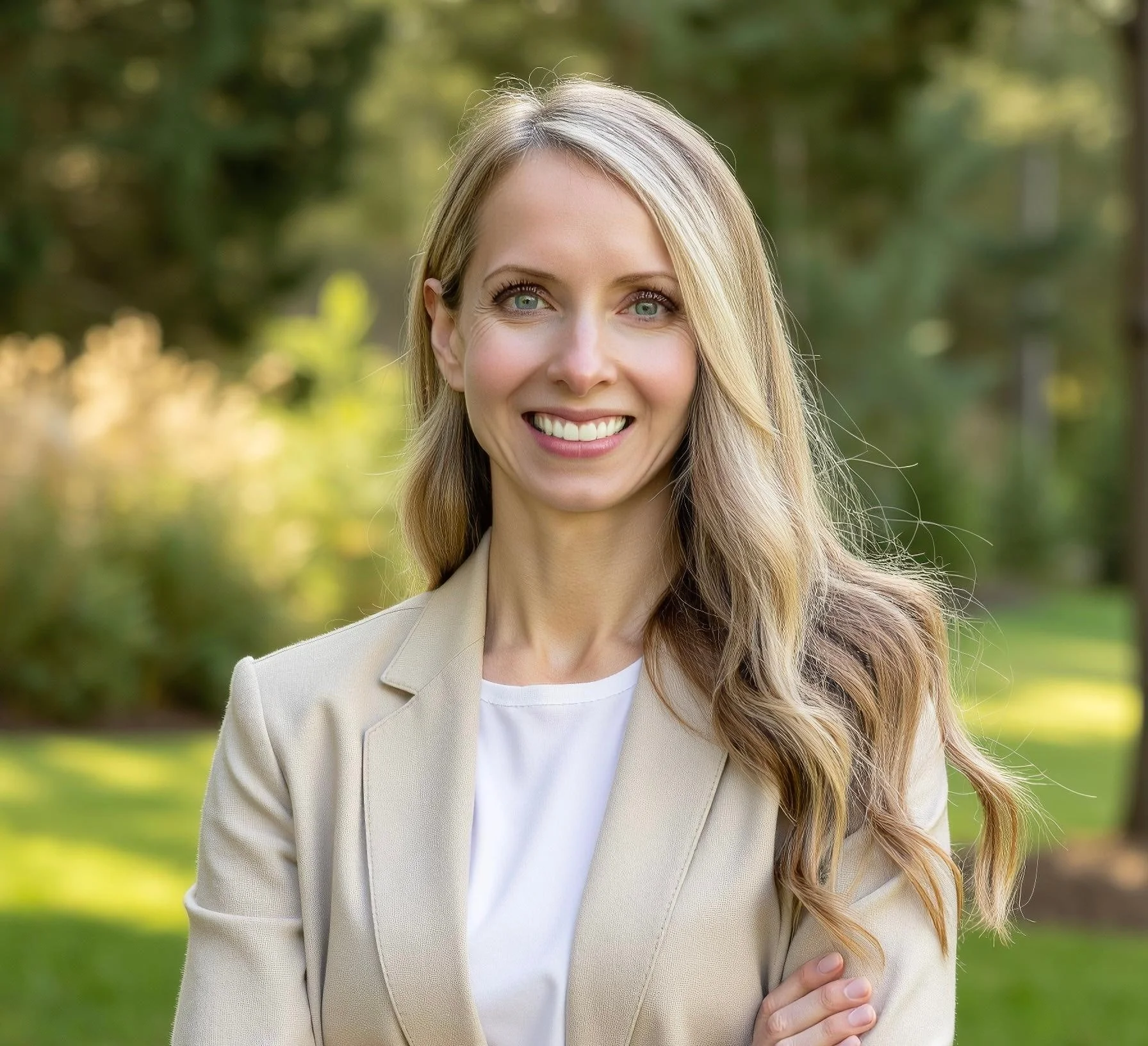
Hi, I’m Bethany LeMieux, a Licensed Professional Counselor in Waukesha WI.
Complex trauma therapy doesn’t label you defective or blame all of your problems on your parents.
It gives you the space to finally acknowledge and legitimize the pain of unmet needs, and experience the power and comfort of being seen and cared for; which in time grows new courage and boldness to live differently in your relationships with yourself, God, and others.
Evidence-Based Complex Trauma Treatment Modalities
Common Questions & Concerns Regarding Christian-Centered Trauma Therapy
-
I am what is called a ‘Christian Integrative Therapist.’ That means I am both a Licensed Professional Counselor and a committed Christian, and those perspectives work together in the counseling process for your benefit.
My Christian framework offers the lens through which I understand people and healing. I believe every person has inherent dignity and worth. Trauma is a result of the brokenness of the world, which can leave you anxious, ashamed, disconnected, or hopeless; but God works to heal and restore His creation He loves.
The trauma treatment itself is grounded in evidence-based, trauma-informed counseling practices. I use established therapeutic approaches to help you understand your trauma, regulate your nervous system, process painful experiences, and build healthier patterns in your relationships and daily living.
For clients who desire it, prayer and scripture can be incorporated into the healing process. We may explore questions about God's presence in suffering, how trauma has affected your relationship with God, or how your faith can provide hope and meaning to you while healing.
-
No, you do not have to talk about all the specific details of your traumatic experiences in trauma therapy.
Traumatic experiences are scary because we sense a lack of control in what is happening to us. Therapy is a place for safety, and a therapist insisting you say things you are not ready to share could do further harm. I am intentional to use attunement and discernment and to never pressure you. My goal is for you to experience the freedom to share what you want when you want, whatever stories you would want to share in the timing that is best for you.
One modality I have been trained in (Janina Fisher’s Integrated Complex Trauma Treatment) explores the ‘living legacy of trauma.’ Meaning we primarily address the symptoms or outcomes of trauma (depression, anxiety, suicidal thoughts, self-harm, low self-esteem, difficulties in relationships, etc.) without having to uncover how the symptoms developed.
Should you want to unpack details of difficult memories, I am also trained in Narrative and Written Exposure therapies. These methods do encourage details, once the therapeutic relationship and coping skills are established. When details are shared in safety in the here and now, it can reduce the difficult impact of the stories in the present.
-
Unresolved trauma does not always look dramatic or obvious. Many people continue functioning outwardly while internally feeling anxious, emotionally exhausted, disconnected, or constantly on edge. Trauma can affect the nervous system, relationships, emotions, and even physical health long after the difficult situations are over.
Signs of unresolved trauma may include:
chronic anxiety or hypervigilance
difficulty relaxing or feeling safe
emotional numbness or shutdown
people-pleasing and fear of conflict
panic attacks or overwhelm
irritability or emotional reactivity
perfectionism and over-controlling behaviors
trouble trusting others
difficulty setting boundaries
feeling disconnected from yourself or others
intrusive memories or persistent shame
sleep problems, exhaustion, or burnout
Sometimes unresolved trauma develops after a single overwhelming event, but it can also come from repeated experiences such as childhood emotional neglect, unstable relationships, betrayal, criticism, abuse, or growing up in an environment where your emotional needs were not consistently met.
Many people blame themselves for these patterns without realizing their mind and body may still be responding to past experiences. Trauma therapy can help you better understand these responses, build emotional safety, and begin healing at a pace that feels manageable.
-
Healing from trauma does not usually happen in one dramatic breakthrough. Sometimes people notice meaningful specific changes after a powerful therapy session, while most often progress is gradual and subtle over time.
Trauma therapy, though it sometimes feels slow, is effective. The goal is for you to live the lighter, less burdened, and more free life that God intended for you. Here are some examples of relief trauma healing can provide:
you recover from stress more quickly
triggers feel less intense
boundaries become easier to set
relationships feel safer or more authentic
you are less emotionally reactive
you spend less time stuck in shame, fear, or overthinking
your body feels less tense or “on alert”
you begin responding differently instead of repeating old survival patterns
Often the biggest signs of healing are not dramatic moments, but a growing sense of safety, stability, and connection in everyday life. Trauma therapy can heal the hurts that bind, and restore the abundance and freedom God desires for you!
-
Yes, here are links to a few of my favorite resources to get you started: